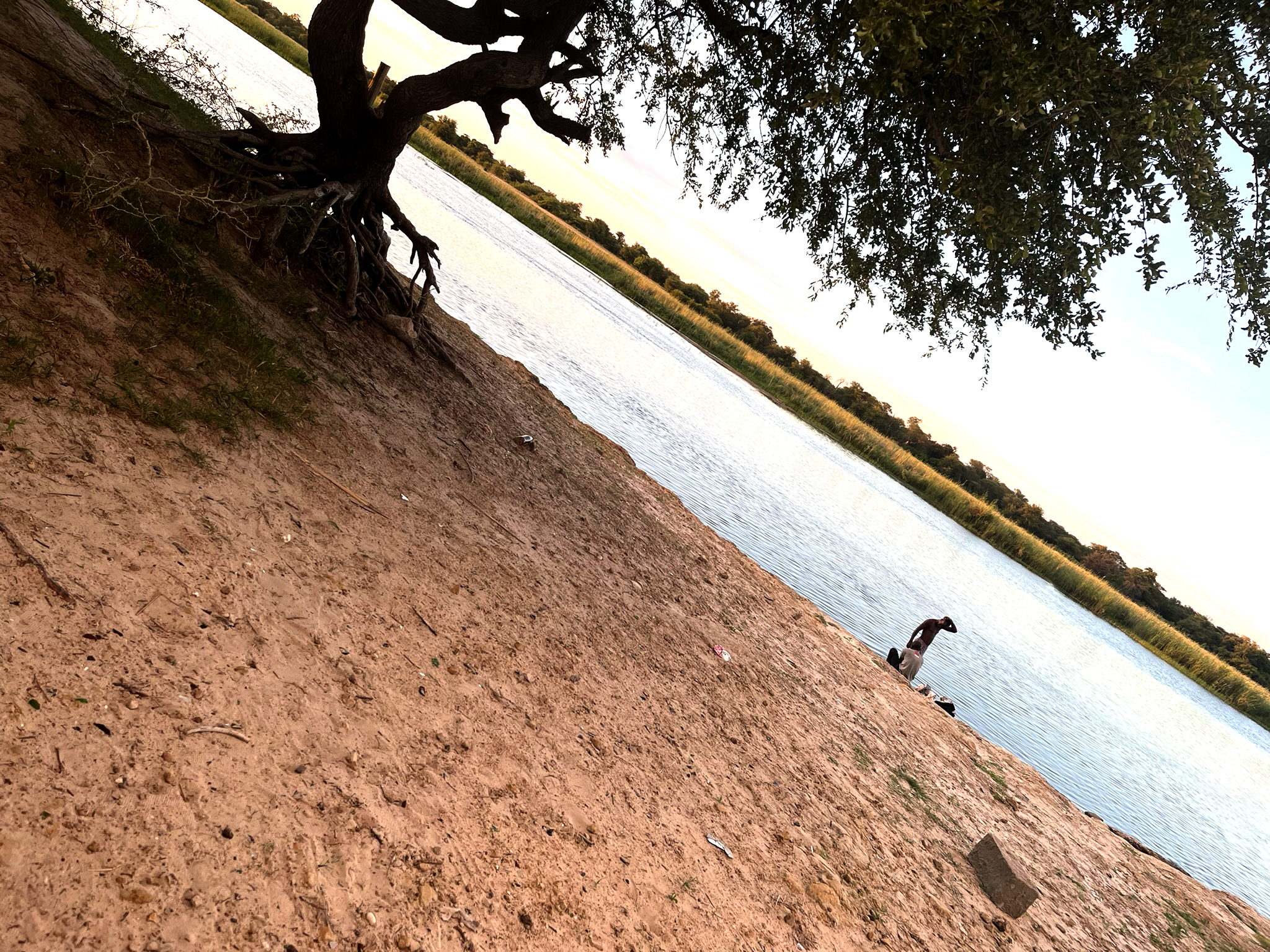

For generations, the flowing waters of the Kavango River fed families, watered crops, cleaned homes, and offered cool relief under the scorching northern sun. Simply put, it has sustained life and livelihoods.
But now, an ugly phenomenon is rearing its head; death itself, which comes knocking almost every time someone uses the river. The cause is menacing crocodiles that lurk just under the surface of the river, taunting community members who dare draw close to the Kavango’s banks.
“If I stay at home, it will mean I am subjected to hunger. On the other hand, if I go to the river, my life is in danger. So, it’s pretty much the same thing,” these are the words of Augustinus Muronga, a 35-year-old man who lives off fishing. His sentiments stem from the Rundu Town Council’s recent notice barring people from using the river due to the rising number of people who are dying after being attacked by crocodiles.
The Kavango River has, of late, become a source of fear as crocodile attacks rise sharply, with a record number of cases being reported in 2025. On the other hand, the river has always been the pulse of life in the two Kavango regions.
For many struggling families, abandoning the river is not a simple instruction. It is a painful and almost impossible task.
“It’s a tough decision, but this isn’t new to us. For years, we’ve lived amongst the crocodiles; it’s not something new. But what do we do if our livelihood is dependent on the river? I go to the river with my fishing rod to catch fish that I can sell to earn a decent living,” he said.
“Leaving the river is something I don’t think is possible, because the river gives life to our people and our animals. So changing that would mean everyone living along the riverside would have to gain access to tap water,” he added.
A few kilometres east of the town of Rundu, a mother of four, Da Silva Theresa (38), said she is aware of the danger the river poses but explained that she has been washing her family’s clothes in the same river since she was a teenager.
“We know the danger,” she said. “But where else must we go? At my home, I don’t even have a running tap, and the tap that was constructed by the village council only has water on certain days of the week, not every day. The river is the only option. My children need clean clothes. We need water to drink and cook food. I don’t think fear stops life,” she said.
Protassius Buba Sherif, who grew up in the Kayengona area about 20km east of Rundu, said he is aware of the warning issued by the police and town council not to use the river. However, he said, when the temperature rises, they are left with no choice but to go there and cool off.
“When it’s hot, the temptation is too strong,” said Sherif, a 22-year-old who grew up swimming in the river with his cousins. “We know crocodiles are around, but we have been swimming here since we were small. This river raised us. It is part of us,” he said.
However, he admits that things have changed a bit as he narrated how his uncle was taken by a crocodile just a week ago. “We are more vigilant now. We don’t go deep anymore; we stay close to the sand. My uncle lost his life here a few days ago.
He came to catch fish but was tragically taken by a crocodile. It’s no longer safe for us. We just have to look out for ourselves whenever we go there,” he added.
Not everyone is willing to take that risk anymore. A few households, tired of living in terror, have begun searching for solutions of their own. Shipapo Phineas is one of them.
After a crocodile killed one of his relatives this year, he made a decision. “I have sought an alternative. I cannot depend on the river anymore. I have made plans to start fetching water from the tap at the next village. Although it is quite far from where I stay with my family, it is better to walk long distances than to risk my life,” he said.
“We can now drink water at home without going to the river. We still go to the river to catch fish, but only those who are old enough to guard themselves are allowed to go there. I can’t stand seeing people losing their lives to crocodiles anymore,” he added.
According to online statistics, the Ministry of Environment, Forestry and Tourism recorded five human fatalities and six injuries due to crocodile attacks in the Kavango West and Kavango East regions between January 2024 and February 2025.
-mkambukwe@nepc.com.na