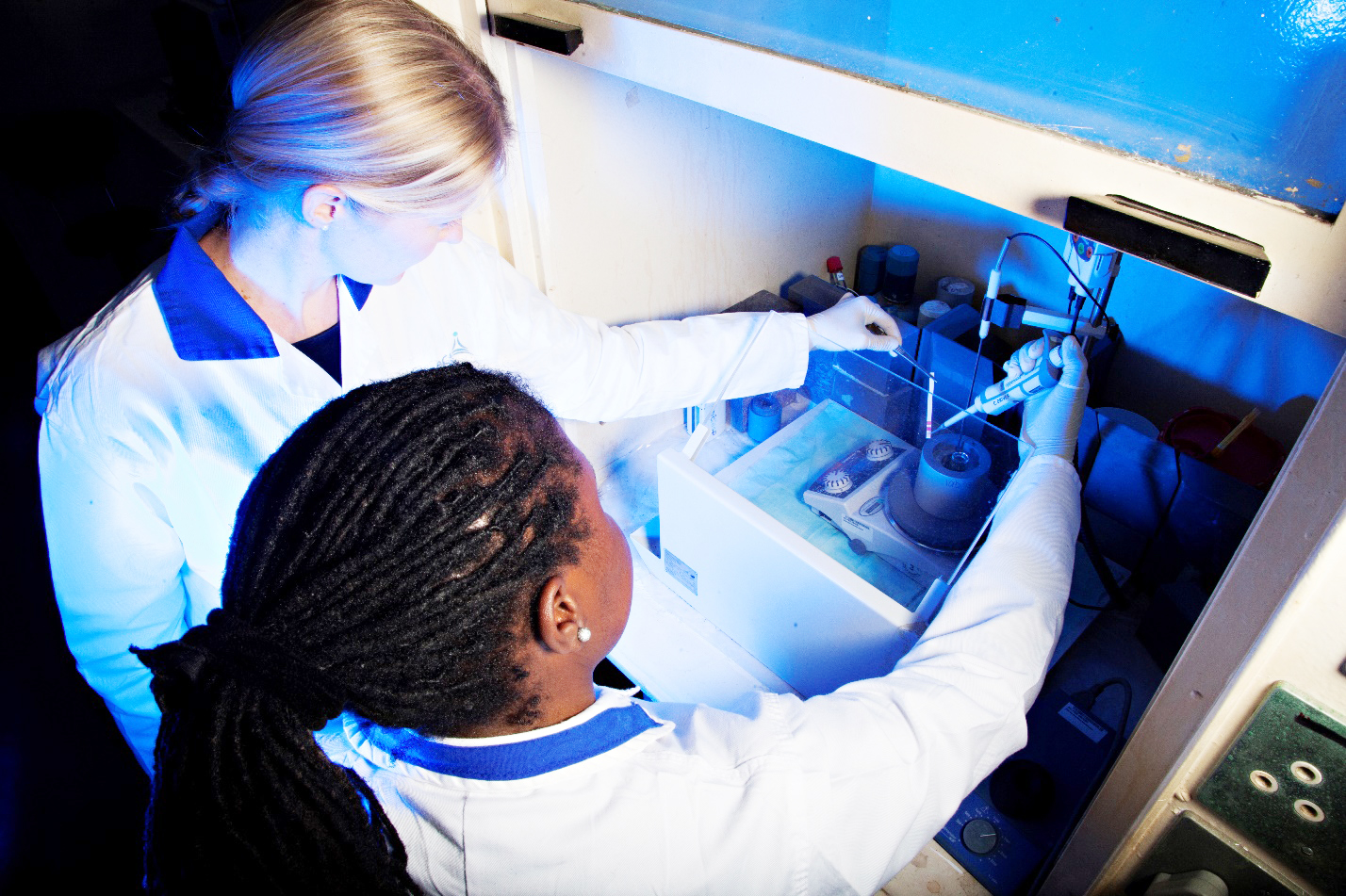

Namibia has set in motion plans to establish its first-ever nuclear analytical laboratories, which will be complemented by over 100 trainees in the field of nuclear science, as part of the government’s efforts to lay a solid foundation in advanced nuclear technology.
Under the Sixth National Development Plan (NDP6), the government will place special emphasis on exploiting opportunities in the field of advanced nuclear technology, particularly in medium-term nuclear projects, while setting clear targets for the development of large-scale, long-term projects beyond the development plan period.
Currently, Namibia primarily exploits the uranium mining cycle of the chain, making a significant contribution to job creation, generation of royalties and taxes, and local procurement.
The turnover from the uranium mining sector in 2023 was N$15.53 billion, which included N$10.27 billion from wages and salaries, royalties, and local procurement. In the same year, the uranium mining sub-sector created over 6 437 direct jobs.
The country’s uranium value chain includes mining, processing, uranium conversion, uranium enrichment, nuclear fuel fabrication, power generation and waste fuel management, as major stages.
However, through the NDP6, the government will tap into the area of the nuclear fuel cycle chain, including uranium conversion and multipurpose small modular nuclear reactors.
New frontier
Launching the NDP6, President Netumbo Nandi-Ndaitwah said commissioning either of the projects will require substantial investments that have the potential to make a significant contribution to the national GDP.
“Under favourable conditions, considering geopolitical dynamics, market conditions, financial and technical capacity, uranium conversion could inject up to N$20 billion into the local economy. Therefore, one of the interventions during the NDP6 period is to determine the viability of uranium conversion, while at the same time laying a foundation for the consideration of a nuclear power programme beyond the NDP6 period,” she said.
The activities will include, among others, the establishment of the country’s first-ever nuclear analytical laboratories under the Nuclear Institute of Namibia, as well as the commissioning of feasible flagship nuclear projects.
The radioanalytical laboratory that the government will establish will supplement the nuclear fuel value chains, small modular reactors for energy production, and research reactors.
Under the plan, more than 100 trainees will be trained in the nuclear science field as part of a broader strategy to strengthen human resources through the development and implementation of a human resource plan aimed at establishing and maintaining a thriving nuclear industry.
“Furthermore, the operational capacity will be assessed and revised to ensure that it has the number of personnel, skills, and experience to adequately respond to the current scope and future projects in the nuclear industry by pursuing implementation of a management system to ensure operational excellence. The strategy will pursue the establishment and maintenance of a network of collaboration with bilateral and multilateral agreements to leverage the strengths, experience and expertise of national, regional, and international partners,” she said.
She added, “The country will seek both local and international partners that stand ready to collaborate in the development of nuclear-related projects. Negotiating and implementing projects with minimal risk to the government, but with high economic yield and mutually beneficial to partners, will be a principal approach in the development of these projects.”
-ohembapu@nepc.com.na