

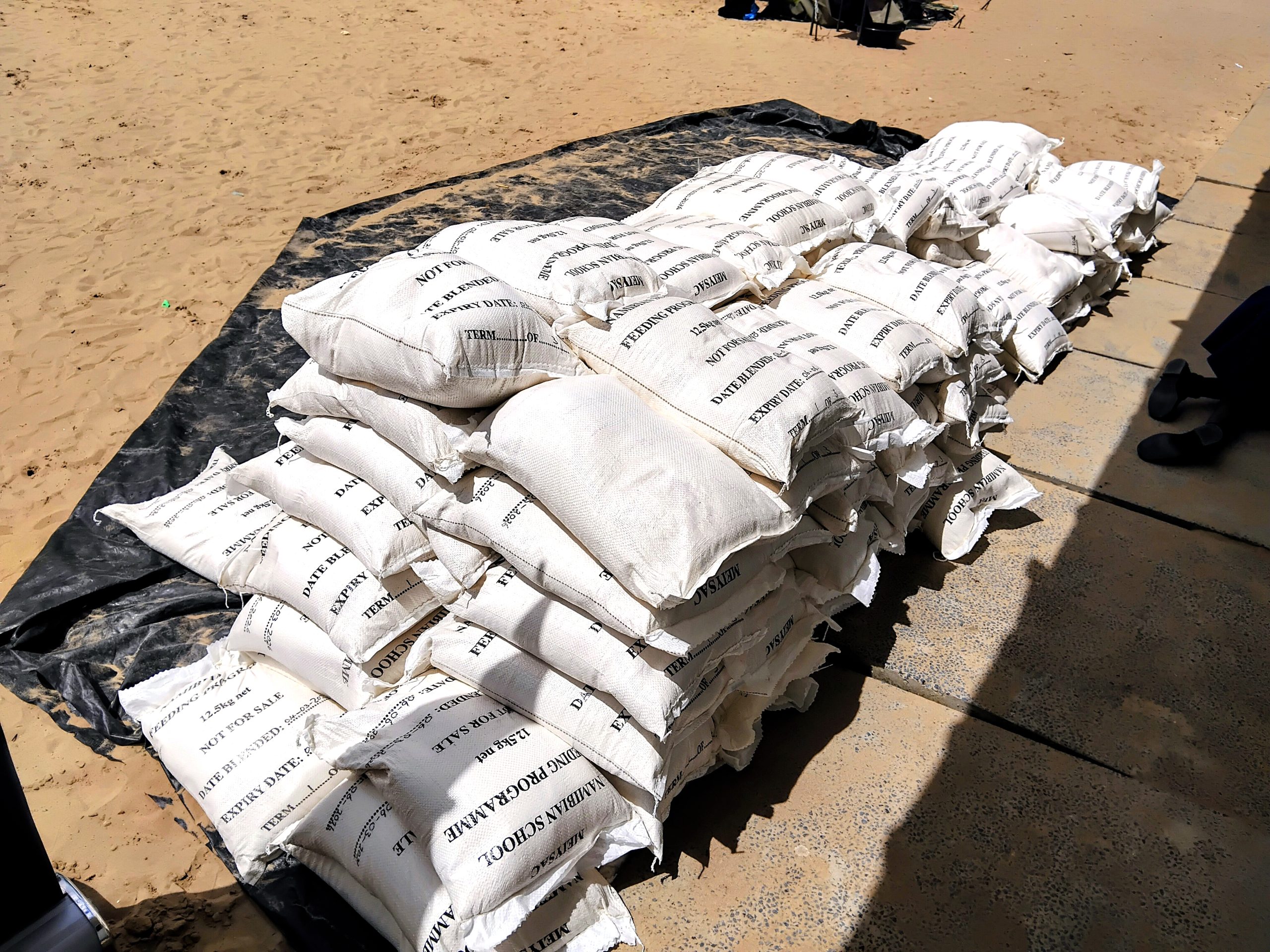

KATIMA MULILO – A celebration marking the 11th African Day of the School Feeding Programme was held on Friday at Ngweze Primary School in the Zambezi region.
Observed annually on 1 March, the belated regional event was held under the theme “Ensuring access to nutritious meals, clean water and hygiene: Promoting safety and resilience in every school meal investment.”
Senior administration officer in the ministry of education Tyson Mujela, commended the theme, saying it aligns with the African Union’s 2026 priorities, which underscore the importance of water, sanitation and hygiene in school learning environments.
“These programmes aim to alleviate short-term hunger, enhance cognitive development and increase school attendance and retention,” he said.
Regional education inspector for the Katima Mulilo Circuit, Rosco Lukubwe, who delivered the keynote address, said the celebration highlights the importance of shaping Africa’s future through one of the most powerful investments a nation can make – nourishing its children.
“When a child receives a nutritious meal at school, attendance rises, concentration improves, academic performance strengthens, dropout rates decline, communities benefit and nations prosper,” he said.
Lukubwe added that from a continental perspective, a hungry child cannot learn, an undernourished child cannot reach their full potential, and a neglected child cannot become the leader the African continent needs.
He stressed that millions of children across Africa rely on school feeding programmes not only for education but also for survival.
“It is our prayer that school feeding programmes be extended to secondary schools, because hunger does not end in Grade 7. The 11th African Day of the School Feeding Programme is therefore not just a milestone but a call to action,” he said.
Lukubwe further called for the sustainability of the programme to be prioritised through dedicated budgeting, integration with local agriculture and stronger linkages with smallholder farmers. He also emphasised the need to improve the nutritional quality and innovation of meals, noting that calories alone are not sufficient.
“Investing in school feeding yields extraordinary returns. Studies consistently show that for every dollar invested, multiple dollars are returned through improved education outcomes, better health and increased productivity,” he said. According to information shared at the event, the Zambezi region has 2 386 beneficiaries of the maize blend school feeding programme out of the national total of 33 118 beneficiaries.
-Nampa