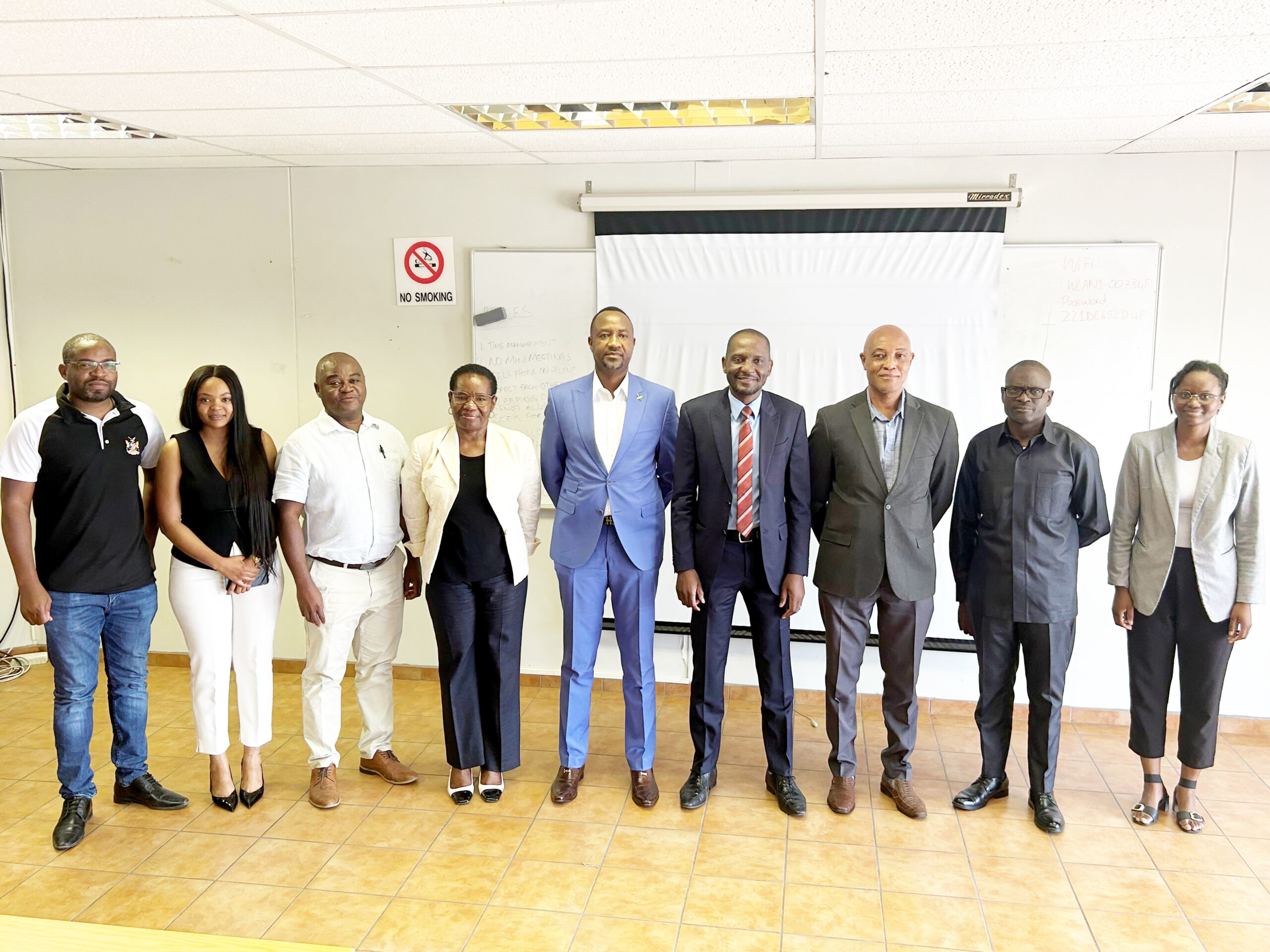

The Minister of Works and Transport, Veikko Nekundi, yesterday launched an updated Fleet Management System for the government. The updated system, which was developed in-house by the Works and Transport Ministry and replaces an outdated system which is more than 30 years old, centralises all fleet operations for government’s approximately 2700 vehicles and digitises day-to-day operations for both government garage as well as fleet management.
Speaking at the unveiling of the system, which is already being used by ministry
staff, Nekundi urged all government employees to embrace the new system that
he said should be able to arrest all abnormalities within the government fleet.
“This new fleet management system is of utmost importance to the administration and management of the government fleet,” said Nekundi. Responding to New Era questions, Nekundi noted that the new system will result in substantial savings for government through the reduction of procurement and maintenance expenditure as well as eliminating unnecessary costs such as interests and penalties on late registrations
Now available on government ICT portals, the new system drastically improves transparency and accountability of government’s fleet management while reducing maintenance costs and waiting times. The new system also streamlines financial and operational processes related to the management of the government fleet.
“This new system should be able to eliminate thieving and dishonesty and will safeguard against any manipulation of government’s fleet management”, said Nekundi.
The minister emphasised that in the past, fleet management and specifically the Government Garage have been thorns in the side of the State’s reputation. However, Nekundi believes that with the introduction of the new fleet management system this reputation will change.
At yesterday’s practical introduction of the new system, Nekundi admitted that no system is perfect upon introduction and therefore urged for continuous improvement in identified areas.
Nekundi also announced at the end of September that the ministry will auction
1 500 government-owned vehicles that have either clocked 120 000 kilometres or have
been in use for more than five years. The minister announced this in the National Assembly, emphasising the planned disposal is to ensure the government fleet remains efficient, safe and cost-effective.
Moreover, Nekundi through the Public Office Bearers Commission also introduced a revised government vehicle policy that allows the procurement of one off-road vehicle per office bearer to be used for both on-road and off-road purposes. The new policy is expected to result in substantial savings for government.
“These principles underscore our unwavering commitment to fiscal prudence and procurement accountability in all government transactions. We seek not the cheapest option, but the best value, a distinction that separates prudent stewardship from penny-wise, pound-foolish decision-making,” said Nekundi in Parliament at the time.
Currently, government’s general operational fleet remain in service for a maximum of five years or 120 000 km. When government vehicles reach these thresholds, they are disposed of through public auction, subject to Treasury approval. Office bearers allocated full use of government vehicles pay 1.5% monthly of the vehicle’s value during their tenure and retain buying options at the conclusion of their term at a 20% annual depreciation rate, minus N$100 per every 1 000 km. Vehicles not purchased by office bearers are disposed of through public auction.
-ebrandt@nepc.com.na