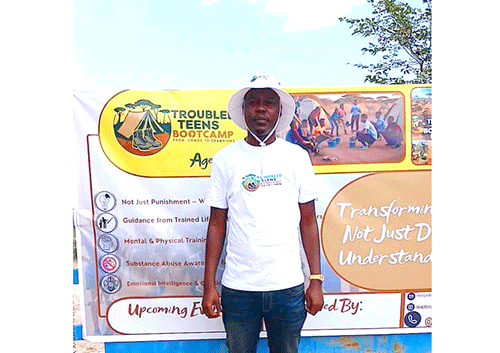

Namibia’s first structured behaviour-modification and personal growth programme is steadily making its mark, offering young people a chance to reset their lives through discipline, responsibility and mentorship.
Rest Samuel, founder of the Disciplinary Bootcamp, said the initiative, which is based at farms across the country, caters for children and adults between the ages of nine and 35 years.
Unlike punishment centres or “mini prisons,” the initiative is designed as a safe, supportive space where participants learn respect, emotional control, and accountability through a mix of counselling, physical training, and life-skills development.
“We don’t just talk about discipline, we make participants live it through cooking, farming and engaging in teamwork,” he said.
The idea stemmed from concerns about declining discipline in schools, where teachers often hesitate to discipline pupils due to strict rules against corporal punishment. Determined to make a difference, Samuel, who is also a youth leader and advocate for unemployed teachers, started the boot camp to create jobs and address a growing social divide.
Camps are held during school holidays and mid-term breaks, lasting seven days for the youth and 10 days for adults.
Participants are not allowed to bring phones or have any other distractions, waking up early for chores, fitness routines, and accountability exercises.
They share responsibilities such as cooking and cleaning, combined with counselling and motivational sessions on respect, time management, and purpose.
Adult participants take on more extensive responsibilities, such as animal care and farming tasks, aimed at enhancing teamwork and fostering independence. Each participant receives a certificate of completion, a personalised improvement plan, and in certain cases, referrals for continued counselling.
The camp emphasizes “tough love with understanding,” where discipline is seen as providing structure and consistency rather than as punishment.
Ex-soldiers, social workers and unemployed teachers form the mentoring team, guiding participants firmly but supportively.
“Discipline is not abuse. It is about doing what is right, even when it is hard,” Samuel explained.
Since April this year, more than 350 participants have attended camps in Windhoek, Ondangwa, Walvis Bay, Swakopmund, Tsumeb, Rundu and Otjiwarongo.
According to Samuel, parents have observed significant changes, such as children who previously refused doing chores now waking up early, and those who were suspended from school returning with increased focus.
“Adults too have shown progress with some reducing alcohol consumption, rebuilding family relationships, and finding the confidence to apply for jobs,” he said.
However, the programme faces obstacles. Financial sustainability is still a problem, with fees of N$1 500 per child for a week barely enough to cover expenses. Stigma around the term “troubled teens” and limited support from some regional education offices also create challenges.
Despite challenges, the founder envisions establishing a permanent, farm-based disciplinary centre within five years, complete with dormitories, classrooms, and counselling facilities. He said the aim is to host hundreds of participants each year and create at least 50 jobs for unemployed teachers, mentors and former soldiers.
“We are not just running camps. We are building a culture of discipline, responsibility, and purpose in Namibia,” said Samuel.